The Diverse Utilizes of Aluminum Casting in Various Industries and Their Influence On Development
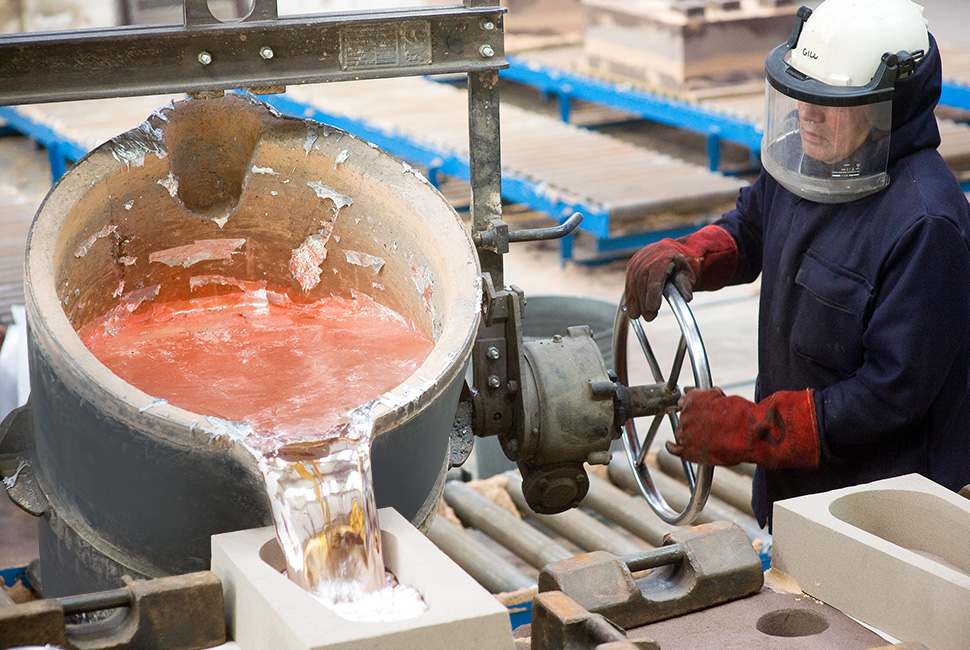
Aluminum casting works as an essential procedure across multiple industries, affecting layout and production techniques. Its light-weight and corrosion-resistant attributes boost efficiency in vehicle and aerospace applications. In addition, it facilitates innovative durable goods and progressed electronic devices. The flexibility of aluminum is additionally obvious in construction and framework tasks. As industries advance, the ramifications of aluminum casting on future innovations call for closer evaluation (Aluminum Foundry). What advancements exist ahead in this vibrant field?
Automotive Sector: Enhancing Efficiency and Effectiveness
The automobile industry significantly accepts aluminum casting to improve both performance and effectiveness in lorry production. This change is driven by aluminum's lightweight residential properties, which contribute to improved fuel efficiency and minimized emissions. By replacing heavier products with aluminum elements, producers attain considerable weight decreases, helping in the total style of contemporary automobiles.
Aluminum casting allows for complex designs that can enhance aerodynamics, even more enhancing performance. The ability to create complex components in a single casting procedure decreases the requirement for several components, improving setting up and lowering manufacturing prices.
Additionally, aluminum's resistance to corrosion extends the lifespan of automotive components, giving long-lasting integrity for customers. As the auto industry remains to evolve, the combination of aluminum casting innovation emerges as a critical method for producers aiming to satisfy both regulative requirements and customer assumptions for lasting, high-performance vehicles.
Aerospace Applications: Lightweight Solutions for Advanced Design
In aerospace design, aluminum casting plays a vital role in developing light-weight parts that boost total efficiency. By concentrating on weight reduction techniques, suppliers can improve architectural stability and fuel effectiveness. This method not just satisfies the demands of modern aviation yet likewise supports sustainability objectives in the sector.
Weight Reduction Techniques
A substantial emphasis on weight decrease has ended up being a keystone in aerospace engineering, where every ounce counts toward improving fuel efficiency and overall efficiency. Aluminum casting plays a critical function in achieving these weight reduction approaches. By making use of advanced alloys and enhanced casting strategies, makers can generate light-weight parts without endangering strength. Design technologies, such as lattice frameworks and hollow areas, better decrease weight while maintaining functionality. The integration of computer-aided layout (CAD) allows designers to replicate and analyze different layouts, making certain the most effective use materials. Furthermore, the usage of aluminum's superb strength-to-weight proportion allows the growth of lighter aircraft, contributing to lower functional prices and decreased environmental influence. These strategies emphasize the significance of aluminum casting in modern aerospace applications.
Architectural Honesty Enhancements
Architectural stability stays an essential focus in aerospace engineering, specifically as the need for light-weight options escalates. Aluminum casting deals special advantages in boosting structural integrity without jeopardizing weight. Advanced casting methods enable the manufacturing of complex geometries, guaranteeing excellent strength-to-weight proportions. Consequently, elements such as aircraft frames, engine places, and assistance frameworks benefit from the fundamental sturdiness of aluminum while keeping lighter configurations. In addition, the material's resistance to corrosion even more improves long life and performance in requiring aerospace settings. These technologies not only improve the strength of aerospace parts but additionally help with the integration of innovative styles, ultimately driving ahead the sector's commitment to safety and effectiveness. Aluminum casting as a result plays a critical duty in progressing aerospace design requirements.
Fuel Effectiveness Improvements
While the aerospace market progressively prioritizes fuel efficiency, aluminum casting becomes a principal in accomplishing this objective with light-weight solutions. By utilizing aluminum's low thickness and high strength-to-weight proportion, manufacturers can considerably decrease airplane weight, bring about lower fuel usage. Components such as engine installs, fuselage structures, and wing frameworks profit from aluminum casting strategies, allowing for complex styles that keep architectural stability while reducing mass. This decrease in weight not just improves fuel performance however likewise decreases greenhouse gas emissions, aligning with international sustainability goals. As aerospace innovation developments, the function of aluminum casting in producing innovative, lightweight components will certainly remain to be vital, driving more improvements in efficiency and efficiency across the sector.
Customer Product: Ingenious Designs and Sustainability
Using aluminum casting in consumer products presents substantial advantages, including its environment-friendly product properties that line up with sustainability objectives. This flexibility enables one-of-a-kind layout possibilities that can enhance item allure and capability. On top of that, cost-effective manufacturing approaches make aluminum an eye-catching alternative for manufacturers aiming to balance quality with affordability.
Environmentally Friendly Product Perks
Eco-friendly materials, especially in the domain of aluminum casting, are transforming durable goods through innovative designs that prioritize sustainability. The lightweight nature of aluminum improves item efficiency, lowering power consumption throughout transportation and use. In addition, aluminum's recyclability significantly reduces waste, allowing suppliers to take on round economy principles. By picking aluminum casting, companies can produce long lasting items that keep aesthetic value while being ecologically responsible. This dedication to sustainability usually resonates with customers, affecting their purchasing decisions and cultivating brand name commitment. As sectors incorporate green practices, aluminum casting becomes a principal in decreasing carbon footprints, showing that sustainable products can at straight from the source the same time fulfill customer needs for development and ecological stewardship. Such innovations underscore the growing relevance of eco-conscious options in today's marketplace.
One-of-a-kind Design Possibilities
Aluminum casting opens up a domain of distinct design possibilities that provide to both development and sustainability in customer goods. This versatile procedure allows designers to produce detailed shapes and light-weight frameworks that are usually unreachable with standard manufacturing techniques. The fluidity of molten aluminum allows the manufacturing of complex geometries, which can boost performance while keeping aesthetic appeal. In addition, aluminum's recyclability adds to lasting design techniques, as items can be crafted with a focus on lifecycle monitoring. Developers leverage this adaptability to produce aesthetically striking and ergonomic products, merging type and function flawlessly. Aluminum casting not only promotes imagination but also lines up with modern-day customers' expanding demand for eco responsible products.
Cost-effective Manufacturing Methods
Electronic Devices Production: Accuracy Elements for Modern Tools
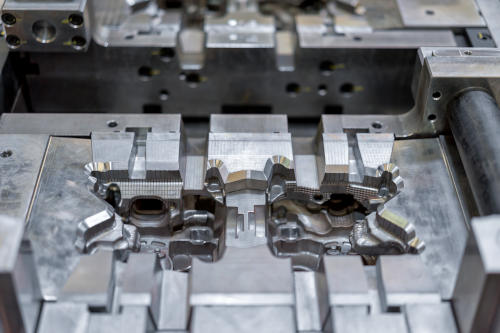
Advancing modern technology demands specific elements that can stand up to the rigors of modern-day electronics. Aluminum casting plays a crucial role in electronics making, providing light-weight yet long lasting elements crucial for tools such as laptops, smart devices, and tablets. The distinct buildings of aluminum, consisting of exceptional thermal conductivity and resistance to rust, make it a suitable selection for elaborate enclosures and warm sinks.
Producers use advanced casting techniques to attain complicated geometries and limited resistances, making certain that every part fits seamlessly within the tool design. This accuracy not only improves performance but also adds to power effectiveness, a crucial consider the design of modern electronic devices.
Aluminum components are recyclable, lining up with the industry's expanding emphasis on sustainability. As the need for cutting-edge digital devices continues to increase, aluminum casting remains a cornerstone in the advancement of high-grade, trusted, and ecologically pleasant digital parts, driving progress in the innovation field.
Construction and Framework: Sturdy and Versatile Products
In the building and facilities sectors, a diverse series of products is important for developing functional and long lasting frameworks. Aluminum casting has actually arised as a crucial part, supplying unique advantages such as lightweight buildings, deterioration resistance, and simplicity of manufacture. Its capacity to endure severe ecological conditions makes it a recommended selection for various applications, including bridges, exteriors, and building components.
Aluminum's recyclability straightens with lasting building and construction practices, contributing to reduced ecological impact. The product can be quickly molded into intricate shapes, permitting engineers and architects to explore innovative designs without jeopardizing structural stability. Additionally, the resilience of aluminum castings warranties durability, reducing maintenance expenses and increasing the go lifespan of framework tasks.
As urbanization continues to climb, the need for trustworthy materials like aluminum casting is readied to expand, further solidifying its role in advancing construction methods and boosting the total high quality of facilities.
Emerging Technologies: The Future of Aluminum Casting in Innovation
As markets undertaking for greater efficiency and sustainability, emerging technologies are reshaping the landscape of aluminum casting. Technologies such as additive production, additionally called 3D printing, are reinventing conventional casting approaches. This innovation enables the creation of intricate geometries with minimized material waste, improving both performance and sustainability. Additionally, innovations in computer-aided style (CAD) and simulation software program allow designers to optimize designs and predict casting outcomes extra precisely, decreasing defects and production time.
The combination of fabricated intelligence (AI) in the casting process aids in real-time surveillance and predictive maintenance, making certain top notch outcomes and reducing downtime. These modern technologies not only improve manufacturing yet additionally add to the development of lighter, stronger aluminum components that satisfy the demands of different sectors, from automobile to aerospace. As these developments remain to evolve, they guarantee to improve the versatility and application of aluminum casting in the future.
Often Asked Inquiries
What Are the Environmental Effects of Aluminum Casting Manufacturing?
Aluminum casting manufacturing can lead to considerable ecological effects, consisting of greenhouse gas exhausts, power consumption, and waste generation. Furthermore, incorrect disposal of spin-offs and pollutants may harm local ecological communities and add to air and water contamination.
Just How Does Aluminum Casting Compare to Various Other Materials in Regards To Expense?
Aluminum casting generally offers an affordable price compared to products like steel and titanium, particularly because of its lightweight nature and simplicity of production. This expense effectiveness makes it a favored selection in several manufacturing sectors.
What Precaution Are Necessary Throughout Aluminum Casting Processes?
During aluminum casting procedures, vital safety and security actions consist of proper ventilation, individual protective devices (PPE), training on tools procedure, routine maintenance checks, and adherence to security protocols to avoid mishaps and guarantee a safe workplace.
Can Aluminum Casting Be Recycled, and How?
Yes, aluminum casting can be recycled. The process entails gathering scrap aluminum, melting it down, and reforming it right into new items. This reduces waste and preserves power, making aluminum reusing both eco friendly and reliable.
What Are the Limitations of Aluminum Casting in Specific Applications?
Aluminum casting encounters limitations including vulnerability to porosity, minimized strength at high temperatures, and trouble in attaining intricate styles. These aspects can prevent its application in high-stress environments and precise design demands, influencing total efficiency.
Aluminum casting permits for elaborate layouts that can enhance aerodynamics, better boosting efficiency. Components such as engine places, fuselage frames, and wing frameworks benefit from aluminum casting strategies, enabling for complex styles that maintain structural integrity while minimizing mass (Aluminum Casting Company). Green materials, particularly in the domain of aluminum casting, are changing customer products with cutting-edge designs that focus on sustainability. While intending for innovative designs and sustainability, makers significantly turn to economical production techniques that take advantage of aluminum casting. Aluminum casting deals with limitations consisting of susceptibility to porosity, decreased strength at high temperatures, and difficulty in attaining complex styles
Comments on “Top 5 ways aluminum casting supports innovation in manufacturing”